When managing a commercial kitchen, the range hood system is far more than just a piece of ventilation equipment; it is the unsung guardian of safety, air quality, and operational efficiency. For facility managers, overlooking this critical piece of infrastructure is akin to ignoring the smoke detector—you might feel safe, but you are playing a dangerous game of chance. Grease buildup, carbonization, and accumulated residue don't just look bad; they pose significant fire hazards and dramatically impact the performance of the entire HVAC system. A systematic, diligent approach is required, and that starts with a robust rangehood cleaning checklist for facility managers. This comprehensive guide will walk you through the necessary steps, from initial assessment to final compliance documentation, ensuring your facility remains safe, efficient, and compliant with the highest industry standards.
Why Range Hood Maintenance is Non-Negotiable
To understand how to clean a range hood, we must first understand why it must be cleaned with such urgency and precision. The buildup of polymerized grease and airborne particulates creates a combustible environment. Neglecting maintenance is not just poor housekeeping; it is a serious liability.
Fire Safety and Code Compliance
The most immediate and severe risk associated with dirty range hoods is fire. Grease buildup acts like tinder, and a single ignition source—a spark, a hot surface, or even a stray pilot light—can escalate into a catastrophic blaze. Furthermore, most local fire codes and health regulations mandate regular, professional cleaning and inspection. Ignoring these mandates means your facility is operating with a ticking time bomb and, potentially, violating several critical codes.
Operational Efficiency and Equipment Longevity
A clogged range hood doesn't just affect the kitchen; it stresses the entire building's ventilation system. When the filters and ducts are coated in grime, the fans have to work harder, drawing more power and wearing out motors prematurely. Over time, this increased strain leads to reduced airflow, which in turn makes cooking difficult, impacts comfort, and increases utility costs. It’s a cycle of decline, and proactive cleaning is the only way to break it.
Mastering the Rangehood Cleaning Checklist for Facility Managers
A generalized "clean it when it looks dirty" approach is insufficient. The process must be methodical, documented, and executed by trained personnel. This section breaks down the practical, actionable steps that form the backbone of a thorough rangehood cleaning checklist for facility managers.
Pre-Cleaning Assessment and Safety Protocols
Before a single squeegee touches the grease, preparation is paramount. Safety protocols must be the first item on the agenda.
- Power Disconnection: Always ensure the system is safely powered down and locked out. This is non-negotiable. Initial Inspection: Visually inspect the entire system—hood, filters, grease traps, ductwork, and exhaust fan. Are there visible signs of excessive buildup, leaks, or structural damage? This initial pass helps identify immediate hazards. Equipment Check: Do you have the right gear? Facility managers should ensure the team has appropriate personal protective equipment (PPE), specialized degreasers (acid-based solutions are often needed), and proper ventilation control measures.
Step-by-Step Cleaning Procedures
The actual cleaning process must be executed in a top-down, systematic manner. Treat the entire system like a biological ecosystem—you are removing years of accumulated history.
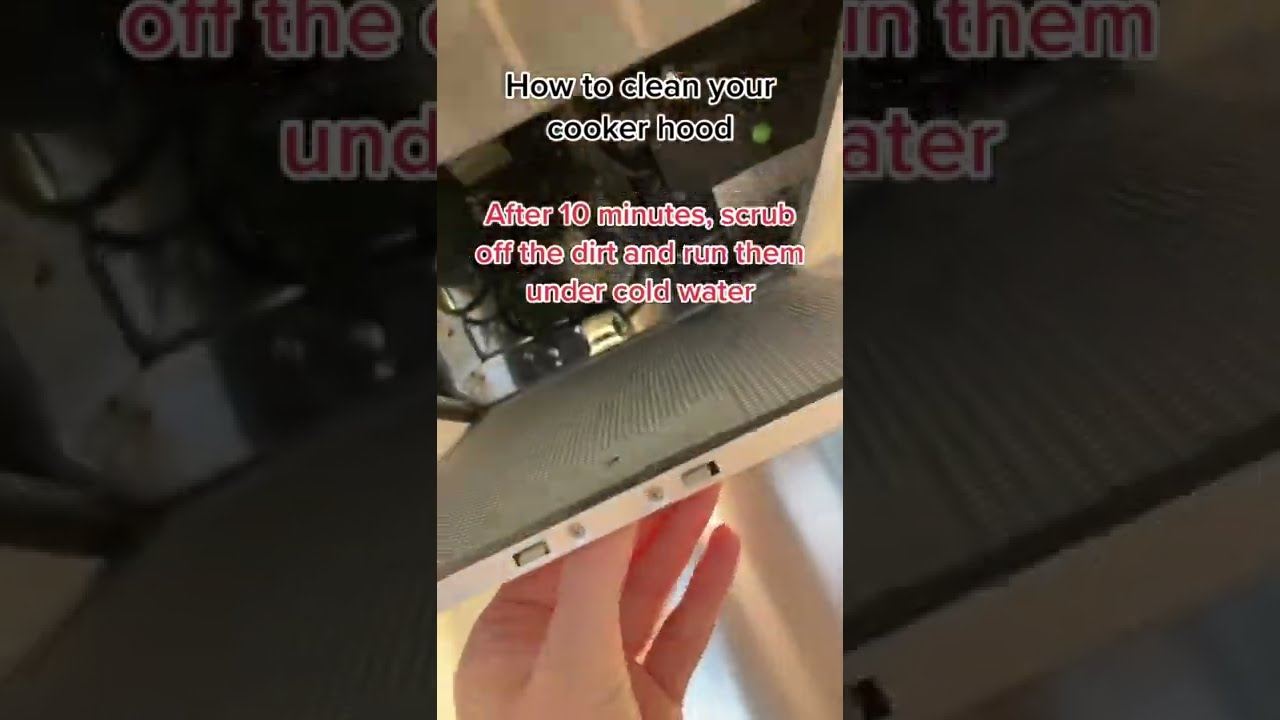
- Filter Removal and Soaking: Remove all filters and soak them in a heavy-duty degreasing solution. Allow sufficient time for the chemicals to break down the polymerized fats. Hood Surface Cleaning: Use non-abrasive tools and the specified degreaser to scrub the visible surfaces of the hood. Pay particular attention to seams, corners, and mounting brackets where grease tends to pool. Ductwork and Internal Cleaning: This is often the hardest part and requires specialized equipment (like industrial vacuum systems and brushes). The goal is to reach the deepest recesses of the ductwork. Final Rinse and Inspection: After degreasing, a thorough rinse is necessary to remove chemical residue. Finally, conduct a post-cleaning visual inspection to ensure all parts are clean, dry, and reassembled correctly.
"The best way to predict the future is to clean the past." — A quote that perfectly encapsulates the proactive nature of preventative maintenance.
rangehood cleaning Eastern Suburbs
Documentation and Compliance: The FM's Secret Weapon
Compliance isn't just about passing an inspection; it's about building a paper trail that proves due diligence. For facility managers, the checklist is not merely a list of tasks; it is a legal shield.
Scheduling and Preventative Maintenance
Establishing a clear schedule is key. Depending on the volume of cooking and the type of cuisine, cleaning frequency may vary. A common practice is semi-annual deep cleans, supplemented by monthly visual inspections. Thinking of preventative maintenance as a preventative medicine for your facility can help motivate adherence.
- Record Keeping: Every step, from the date of service to the type of degreaser used and the personnel involved, must be logged. Vendor Management: If using third-party contractors, ensure they are certified and that their scope of work aligns exactly with your rangehood cleaning checklist for facility managers.
Team Training and Accountability
If internal staff are responsible for routine checks, training is critical. They need to understand the why behind the rules, not just the what. When staff treats maintenance as a core function—not an afterthought—the entire facility benefits.
The challenge of maintaining standards can feel like herding cats, but with clear protocols and accountability, the process becomes routine. Remember, the goal isn't perfection every single day, but predictable, documented excellence.
Optimizing Your Facility's Cleanliness Strategy
The culmination of a perfect cleaning is a facility that runs seamlessly, quietly, and safely. A well-maintained range hood ensures that the air quality is pristine and that energy consumption is optimized. By integrating these detailed cleaning steps into your routine maintenance schedule, you are not just scrubbing grease; you are investing in the long-term integrity and safety of your entire operation.

Are you confident that your current cleaning schedule accounts for the full complexity of your hood system? Does your team understand the critical difference between a basic wipe-down and a professional, chemical-assisted deep clean? By treating the rangehood cleaning checklist for facility managers as a living, mandatory document, you ensure that compliance is not a burden, but a competitive advantage.
Taking the time to formalize and execute this rigorous maintenance plan will provide peace of mind and drastically reduce your liability profile. Start by reviewing your current vendor agreements and ensuring that your documentation is impeccable. A clean, compliant kitchen is a profitable and safe kitchen.
HygieneXperts - Commercial & Residential Cleaning Services
12C Tungarra Rd Girraween NSW 2145 Australia,
61498203983